


Stress Relief Through Massage: How Massage Eases Stress and Tension
Stress and tension are common experiences in our fast-paced lives. Finding effective ways to manage these feelings is essential for maintaining both mental and physical health. One powerful method that has been used for centuries is massage therapy. This article explores how massage eases stress and tension, offering practical insights and tips to help you understand and benefit from this natural remedy.
Understanding Stress Relief Through Massage
Massage therapy works by manipulating the soft tissues of the body, including muscles, tendons, and ligaments. This physical touch triggers a cascade of physiological responses that help reduce stress and promote relaxation.
When you receive a massage, your body releases endorphins, which are natural painkillers and mood elevators. At the same time, levels of cortisol, the stress hormone, decrease. This combination helps to calm the nervous system and reduce feelings of anxiety.
Additionally, massage improves blood circulation, which enhances oxygen and nutrient delivery to tissues. Better circulation helps muscles relax and reduces the buildup of lactic acid, a compound that can cause muscle soreness and tension.
Practical Benefits of Massage for Stress Relief
Reduces muscle tension: Massage loosens tight muscles, which often hold stress.
Improves sleep quality: Relaxation from massage can lead to deeper, more restful sleep.
Enhances mood: The release of serotonin and dopamine during massage improves emotional well-being.
Lowers blood pressure: Regular massage sessions can contribute to healthier blood pressure levels.
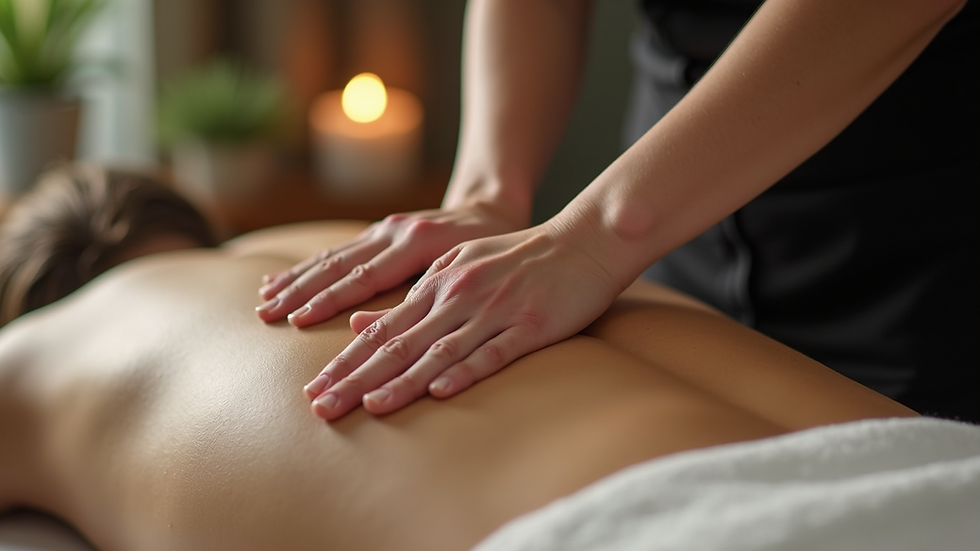
How Massage Helps Alleviate Physical and Mental Tension
Stress often manifests physically as muscle tightness, headaches, and fatigue. Massage targets these symptoms directly by relaxing muscles and improving circulation. This physical relief can also lead to mental relaxation, creating a positive feedback loop.
For example, a person experiencing chronic neck and shoulder tension due to work stress may find that massage reduces stiffness and pain. As the physical discomfort diminishes, their mental stress often decreases as well.
Massage also encourages mindfulness and body awareness. During a session, focusing on the sensations of touch and relaxation can help distract from stressful thoughts and promote a sense of calm.
Tips for Maximizing Stress Relief During Massage
Communicate your needs clearly with your therapist.
Choose a quiet, comfortable environment.
Practice deep breathing during the session.
Follow up with gentle stretching or relaxation exercises.
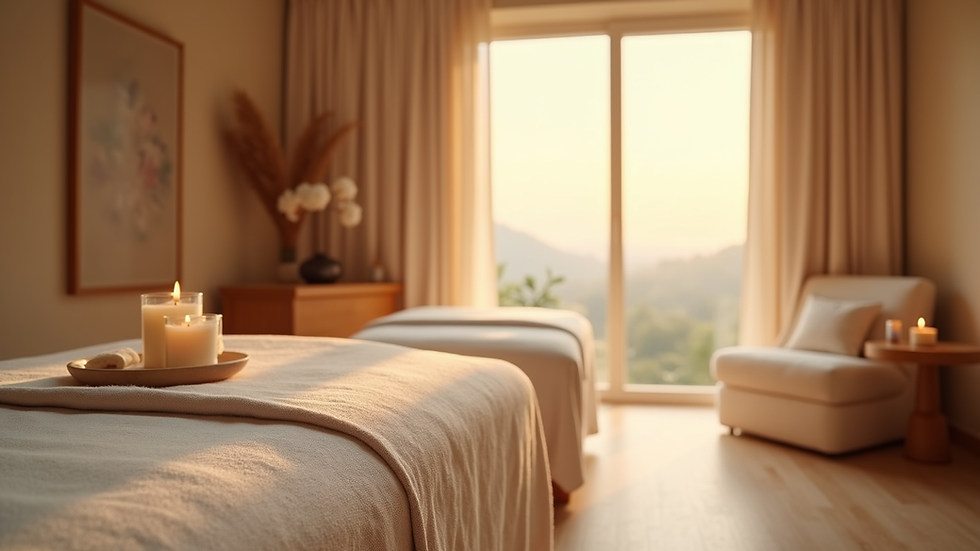
What Type of Massage Is Best for Stress Relief?
Not all massages are created equal when it comes to stress relief. Some techniques are specifically designed to promote relaxation, while others focus more on therapeutic or deep tissue work.
Here are some popular types of massage that are effective for easing stress and tension:
Swedish Massage
This is the most common type of massage for relaxation. It uses long, flowing strokes, kneading, and circular movements to relax muscles and improve circulation.
Aromatherapy Massage
Combines gentle massage with essential oils known for their calming properties, such as lavender or chamomile.
Hot Stone Massage
Uses smooth, heated stones placed on key points of the body to warm muscles and promote deep relaxation.
Shiatsu Massage
A Japanese technique that applies pressure to specific points on the body to balance energy flow and reduce stress.
Reflexology
Focuses on applying pressure to specific points on the feet, hands, or ears that correspond to different organs and systems in the body.
Choosing the right type depends on your personal preferences and specific stress-related symptoms. For general relaxation and stress relief, Swedish and aromatherapy massages are excellent starting points.
Incorporating Massage Into Your Stress Management Routine
To get the most benefit from massage, consider making it a regular part of your self-care routine. Here are some actionable recommendations:
Schedule regular sessions: Aim for at least one massage every 2-4 weeks.
Combine with other relaxation techniques: Yoga, meditation, and deep breathing complement massage well.
Create a calming environment at home: Use soft lighting, soothing music, and aromatherapy to extend the relaxation.
Stay hydrated: Drinking water after a massage helps flush out toxins released during the session.
If you are new to massage, consult with a licensed therapist to discuss your needs and any health concerns. They can tailor the session to maximize stress relief and ensure your comfort.
For those interested in exploring options, massage for stress relief offers a variety of techniques and professional guidance to help you find the best fit.
Embracing the Long-Term Benefits of Massage for Stress and Tension
Regular massage therapy not only provides immediate relief but also contributes to long-term health improvements. Over time, consistent sessions can:
Reduce chronic pain and muscle stiffness.
Improve immune system function.
Enhance mental clarity and focus.
Promote a greater sense of overall well-being.
By investing in massage as part of your lifestyle, you create a sustainable way to manage stress and tension naturally. This holistic approach supports both body and mind, helping you navigate daily challenges with greater ease.
Remember, stress is a normal part of life, but it does not have to control your health. Massage offers a simple, effective tool to restore balance and promote relaxation.
Massage therapy is a valuable resource for anyone looking to reduce stress and tension. Whether you choose a gentle Swedish massage or a more targeted technique, the benefits are clear. By understanding how massage works and incorporating it into your routine, you can enjoy a calmer, healthier life.


