


The Importance of Self-Care Massage Techniques
Taking time for yourself is essential in today’s fast-paced world. One of the most effective ways to nurture your body and mind is through massage. Massage therapy has been practiced for centuries, but the focus on self-care massage techniques has grown significantly as people seek ways to manage stress, relieve pain, and improve overall well-being without always relying on professional services.
Understanding Self-Care Massage Techniques
Self-care massage techniques are simple methods you can perform on yourself to alleviate tension, improve circulation, and promote relaxation. These techniques empower you to take control of your health and well-being in a convenient and cost-effective way.
Some common self-care massage techniques include:
Effleurage: Gentle, gliding strokes that warm up the muscles.
Kneading: Circular motions that help loosen tight muscles.
Percussion: Light tapping to stimulate blood flow.
Friction: Deep, focused pressure to break down knots.
By learning these techniques, you can target specific areas of discomfort such as the neck, shoulders, back, or feet. For example, using your thumbs to apply gentle pressure along your neck muscles can relieve stiffness after a long day at the desk.
Benefits of Practicing Self-Care Massage
Reduces muscle tension and pain
Improves blood circulation
Enhances flexibility and range of motion
Promotes relaxation and reduces stress
Supports better sleep quality
Incorporating these techniques into your daily routine can make a significant difference in how you feel physically and mentally.

How to Incorporate Self-Care Massage Techniques into Your Routine
Starting a self-care massage routine does not require special equipment or extensive training. Here are some practical steps to get you started:
Set aside time: Dedicate 10-15 minutes daily or a few times a week for your massage practice.
Create a relaxing environment: Use soft lighting, calming music, or essential oils to enhance the experience.
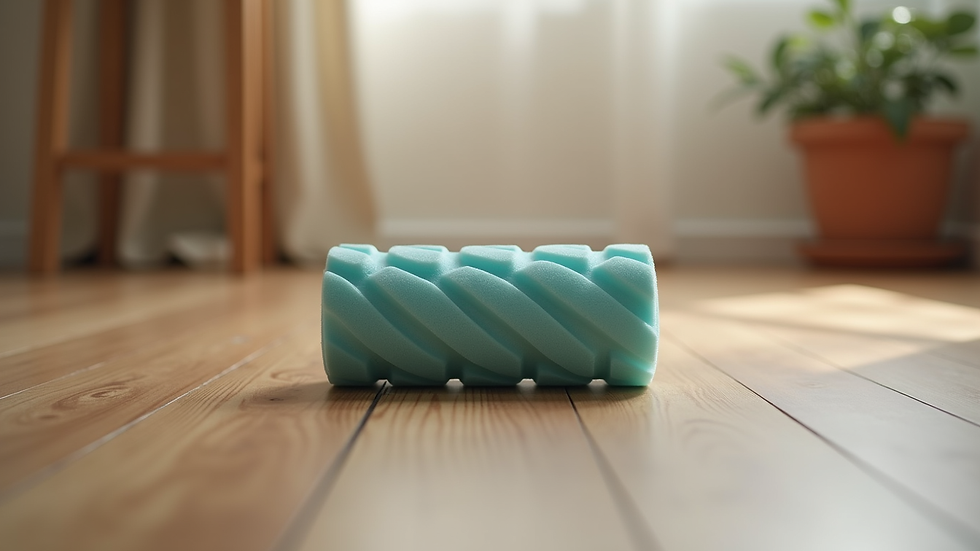
Use massage tools if desired: Items like foam rollers, massage balls, or handheld massagers can help reach difficult areas.
Focus on problem areas: Pay attention to where you feel the most tension or discomfort.
Be gentle and mindful: Avoid applying too much pressure, especially on sensitive areas.
For example, after a long day, you might spend a few minutes massaging your calves with a foam roller to reduce soreness and improve circulation.
Tips for Effective Self-Care Massage
Warm up your muscles with a warm towel or shower before massaging.
Use massage oils or lotions to reduce friction and nourish the skin.
Breathe deeply and relax your body during the massage.
Stay hydrated after the massage to help flush out toxins.
By following these tips, you can maximize the benefits of your self-care massage sessions.
How much do you tip for a $100 massage?
Tipping etiquette for massages can vary depending on location and service quality. For a $100 massage, a standard tip usually ranges between 15% to 20% of the total cost. This means tipping between $15 and $20 is considered appropriate.
Here are some guidelines to help you decide:
15% tip: For satisfactory service.
20% tip: For excellent or exceptional service.
More than 20%: If the therapist went above and beyond or provided extra care.
If you receive a massage at a spa or wellness center, check if gratuity is already included in the bill to avoid double tipping. Remember, tipping is a way to show appreciation for the therapist’s skill and effort.
The Science Behind Self-Care Massage
Massage therapy stimulates the body’s parasympathetic nervous system, which helps reduce stress hormones like cortisol. It also increases the production of endorphins, the body’s natural painkillers and mood enhancers.
Research shows that regular massage can:
Lower blood pressure
Reduce anxiety and depression symptoms
Improve immune function
Accelerate recovery from injuries
Self-care massage techniques allow you to tap into these benefits anytime you need relief or relaxation. For example, massaging your temples and forehead can help alleviate tension headaches by improving blood flow and reducing muscle tightness.
Practical Applications for Everyday Life
Desk workers: Use self-massage to relieve neck and shoulder stiffness caused by prolonged sitting.
Athletes: Incorporate massage to speed up muscle recovery and prevent injuries.
Parents: Take a few minutes to massage your hands and feet to reduce fatigue.
Seniors: Gentle massage can improve circulation and reduce joint pain.
By adapting self-care massage techniques to your lifestyle, you can maintain better physical and mental health.
Making Self-Care Massage a Habit
Consistency is key to experiencing the full benefits of self-care massage. Here are some strategies to help you make it a regular habit:
Schedule it: Add massage time to your calendar like any other appointment.
Combine with other self-care activities: Pair massage with meditation, stretching, or yoga.
Track your progress: Note improvements in pain levels, sleep quality, or mood.
Stay motivated: Remind yourself of the benefits and how good you feel afterward.
Remember, even a few minutes of self-care massage can make a positive impact on your day.
For those interested in exploring more about self care massage, there are many online resources and tutorials available to guide you through various techniques.
Taking care of your body through self-care massage techniques is a powerful way to enhance your well-being. By dedicating time to these simple practices, you can reduce stress, relieve pain, and improve your overall quality of life. Start small, stay consistent, and enjoy the journey to a healthier, more relaxed you.


